
That’s not a secret that designers and web developers often work on the project disjointedly. The first is responsible for the concept, elements, colors, and fonts, while the second is in charge of the coding and preparing for publication. Naturally, this approach can lead to disagreements.

Meanwhile, when work is done in cooperation from beginning to end, the project becomes more monolithic and harmonious with a great look, interface, and coding. Everyone does less unnecessary work. Thus saving the total time spent on the project.
1. Opposition
Usually, developers and designers are in different positions with job responsibilities.
Web designers use programs like Adobe Photoshop and Illustrator to create the concept and image of the website in PSD format. Then web developers code all this by HTML, JavaScript, CSS, JQuery, etc.
The intermediate phase here is to convert Photoshop designs into a website. Usually, designers do not handle the conversion jobs themselves but it is done by the coding experts. The easiest way out to convert PSD to HTML is hiring a service provider – https://www.reliablepsd.com/
2. Collaboration
Designers and website developers can work in different offices or countries. Therefore they need each other’s skills to create an entire website. Thus, they must work as one team.
Any project will only benefit if designers and web developers work together.
It brings many pluses:
- a second person who can look at everything with a fresh eye and find mistakes that you did not notice;
- double creativity in project realization;
- the more integral result with all details looking good, fitting together, and working;
- the opportunity to learn from the inside about web design/website development;
- understanding of how the project will ultimately look.
3. Minuses of Teamwork
It is a mistake to believe that working together has no disadvantages. Of the most important, two points can be distinguished:
- The costs of gathering specialists in one place at the same time. Especially when employees work remotely (teleconferencing and online sharing tools);
- Possible disagreements between people, difficulties in understanding.
4. Open communication
Designers and developers must put the successful implementation of the project at the forefront and keep it in mind in the decision-making process. Some battles will be victorious, some will be losing

A good way to start a collaboration is with lunch, coffee break, or just a walk. Find out each other’s style, discuss a collaboration plan and establish basic rules.
All project participants should jointly plan “checkpoints” to ensure that everyone completes their tasks on time. Be more proactive and prepared to learn new things as the project progresses. Offer constructive solutions, and be ready for feedback.
5. Notes for designers
- Choose the simplest words to explain design theory;
- Take into account interactivity – how it looks and works;
- Prepare items for each stage, do not expect any editing from colleagues;
- Feel free to ask for help and make questions;
- Comply with the requirements of file formats and sizes.
6. Notes for developers
- Learn basic theory about design, colors, and fonts, etc;
- Be honest about your options. If a designer plan something that you cannot implement, tell it as early as possible;
- Be ready to support answering questions, etc.;
- Help with ideas for UX;
- Keep design entity throughout the whole process, even elements you don’t like.
7. Useful skills
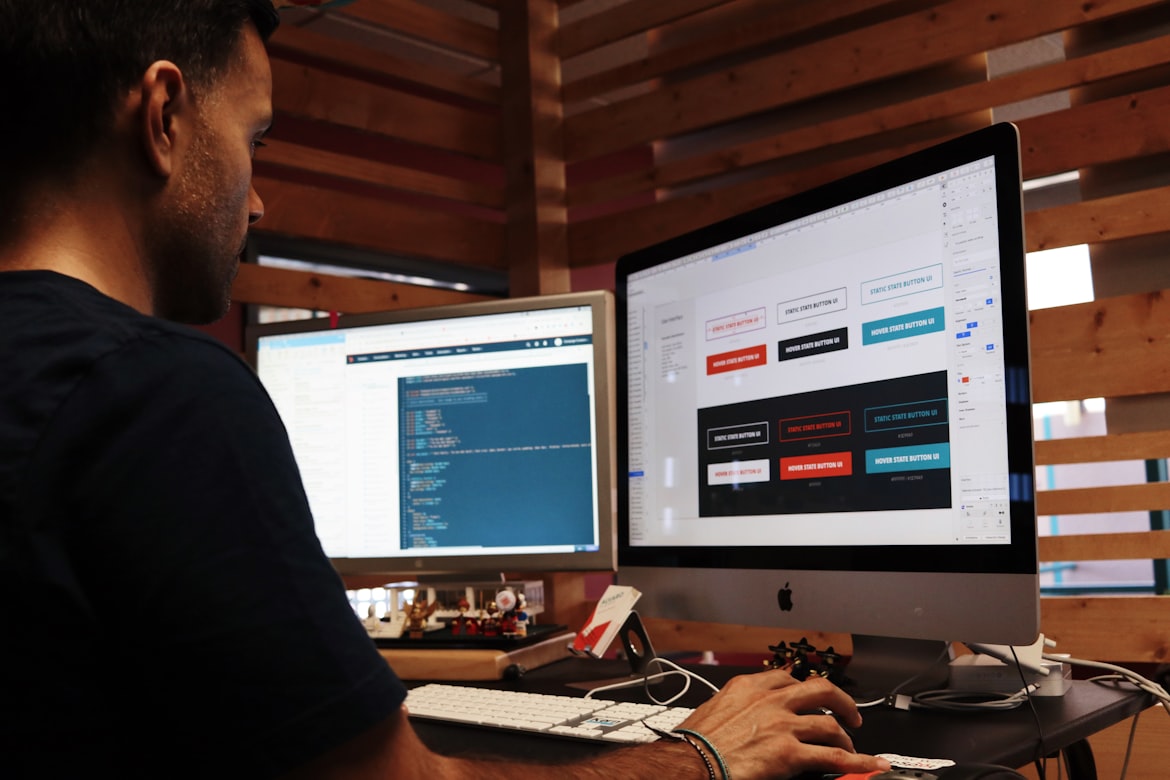
To work better together, both employers should speak the same language.
Both should be aware of the following things:
- Design fundamentals such as colors, fonts. etc.
- Optimal graphic formats and calibration
- Basics of HTML, JavaScript, CSS.
- Web fonts application
- Design trends and web development tendencies
- Understanding the needs and wants of the users
- Meshes, frames, and wireframes